What to Prepare Before Your Beauty Photography Shoot (Checklist for Indie Brands)
One of the most reliable predictors of how well a beauty photography shoot goes isn't the photographer, the lighting, or the studio. It's how prepared the brand is when they walk in the door. Or, increasingly, how prepared they are before we even get on a pre-production call.
After shooting for beauty and skincare brands across the UK, I've seen the full range — from founders who arrive with a mood board, labelled products, and a clear sense of what they need, to those who arrive with a bag of stock they've never photographed before and no idea what they want. The results reflect it directly.
Here's the checklist I'd hand every indie beauty brand founder before their first studio shoot.
Before the shoot is booked
Know what the content needs to do. Where is it going? Your Shopify store, Meta ads, TikTok, press packs, Amazon listings? Different channels need different image formats, crops, and styles. The clearer you are on the end use before the shoot, the better the shot list can be built around it.
Know how many products you're shooting. More products equals more setup time equals a longer shoot day. Be realistic. Trying to shoot a full 12-product range in a half-day session produces rushed results. If budget is tight, prioritise your hero SKUs first.
Have a rough sense of visual direction. You don't need a finished brief — but a Pinterest board, a folder of reference images, or three brands whose visual style you admire gives your photographer a foundation to work from. "I'll know it when I see it" is not a brief. It's a recipe for reshooting.
Product preparation
Clean every product thoroughly. Fingerprints, dust, smudges, and label bubbles are all visible on camera and all cost retouching time in post. Wipe lids, bottles, and packaging down before the shoot. Use a microfibre cloth — not your sleeve.
Check labels are perfectly applied. Crooked or bubbled labels are a nightmare on camera. If any products have label issues, fix them before the shoot. For new products, apply labels on a clean, dry surface the night before.
Bring extras. Bring at least two of every product you're shooting. Products get opened, swatched, handled. Having a backup means you're not scrambling if something gets marked or damaged during the session.
If you're shooting liquids, creams, or gels — prep them. Products that need to show texture (serums, balms, moisturisers) may need to be slightly warmed to get the right consistency for texture shots. Your photographer will handle this on the day, but knowing which products have this requirement means it's factored into the schedule.
Bring your packaging too. Boxes, outer cartons, and secondary packaging are often overlooked but add important layering to lifestyle shots and ecom hero images. Don't leave them at home.
Visual direction and mood
Collect reference images before your pre-production call. A shared Pinterest board or a Google Drive folder of 10–20 reference images tells a photographer far more than a paragraph of description. Save images that reflect the mood, colour palette, lighting style, and composition you're drawn to — not necessarily from the beauty industry, any visual reference works.
Know your brand colours and any visual rules. If your brand has a defined colour palette, logo guidelines, or visual identity doc, share it. This affects background choices, prop selection, and colour grading in post.
Think about what you don't want. Sometimes knowing what to avoid is as useful as knowing what you want. If you hate overly-styled flat lays, or you don't want anything that looks clinical, say so upfront.
If your shoot includes a model
Have a casting brief ready. Skin tone, age range, hair type if relevant, any brand-specific casting direction. The clearer this is, the better the casting process. For inclusive brands, be explicit — if you want age diversity, different skin tones, or specific representation, that needs to be in the brief.
Agree the look in advance. If a MUA is involved, nail down the makeup direction before shoot day. Is it full glam, natural and clean, editorial? A reference image for the beauty look is worth more than a paragraph of description.
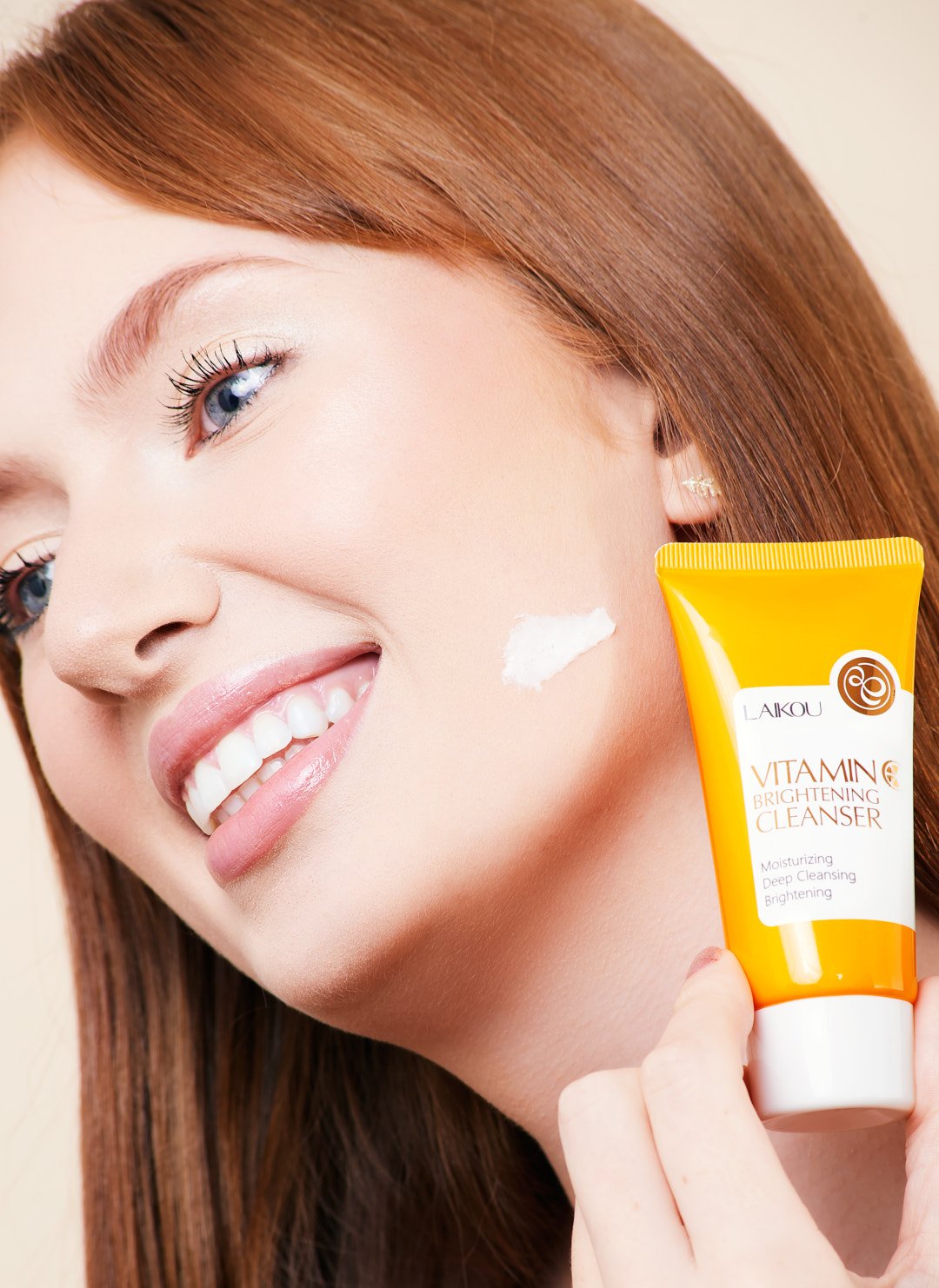
Confirm product application on skin. For skincare or makeup, which products are being applied on camera? This should be in the shot list, not decided on the day.
Admin before the day
Confirm delivery address and timings. If you're posting products in advance, confirm the studio address and arrival deadline. Nothing derails a shoot faster than products arriving late or going to the wrong address.
Know your deadline. If you have a hard launch date or campaign go-live date, tell your photographer before you book, not after. Rush turnaround is available but it needs to be planned and budgeted for in advance.
Sort out licensing before the shoot. Where are you planning to use the images? Owned channels only, or paid ads, retail, and packaging too? Licensing affects cost and needs to be agreed before production starts, not after delivery.
On the day
Arrive on time. Brief any team members attending on what their role is — there to observe and approve, or actively involved in decisions? Bring water, snacks if it's a full day, and your phone for approving selects.
And trust the process. Pre-production exists so you don't have to make stressful decisions under pressure on shoot day. If the groundwork's been done properly, the day should feel smooth.
Ready to book your beauty photography shoot? Start with a free 20-minute brand review call
— we'll go through exactly what you need and build a plan around it.